How to Launch a Referral Loop for SaaS: Strategy + Implementation
How to Launch a Referral Loop for SaaS: Strategy + Implementation
Most SaaS founders treat referral programs as an afterthought — something you bolt on after product-market fit, after your first $10K MRR, after you’ve “figured out” paid acquisition. That’s backwards.
A referral loop is most powerful when your product is new and your user base is small. Ten highly motivated users telling ten friends each is worth more than a $5K Facebook ad budget in month one. The compounding math is brutal in your favor — if even 20% of referred users refer someone else, your acquisition cost approaches zero over time.
The reason most founders don’t launch early isn’t lack of motivation. It’s that the mechanics feel complex: who gets rewarded, when, how much, and how do you track any of it without building a second product?
This post breaks down the strategy and the implementation so you can launch a referral loop this week, not next quarter.
What a Referral Loop Actually Is
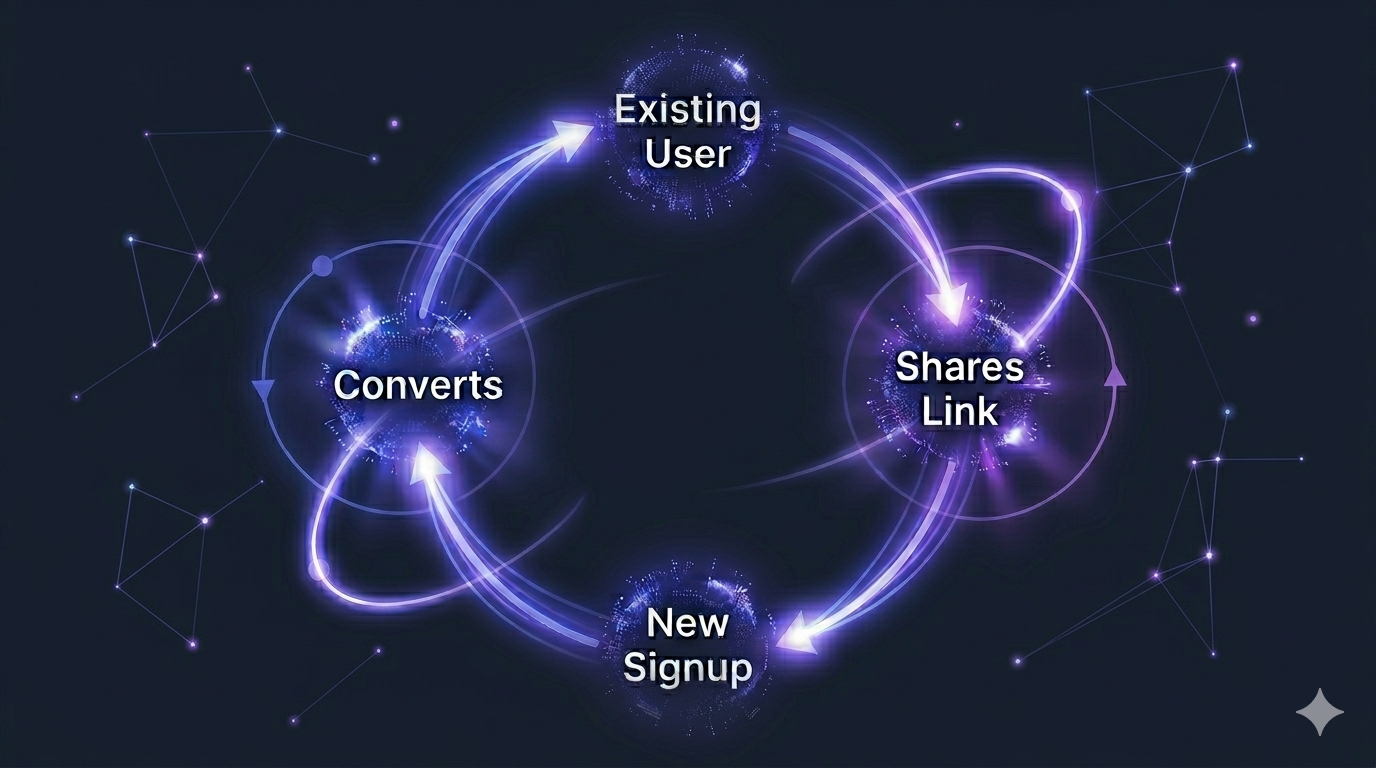
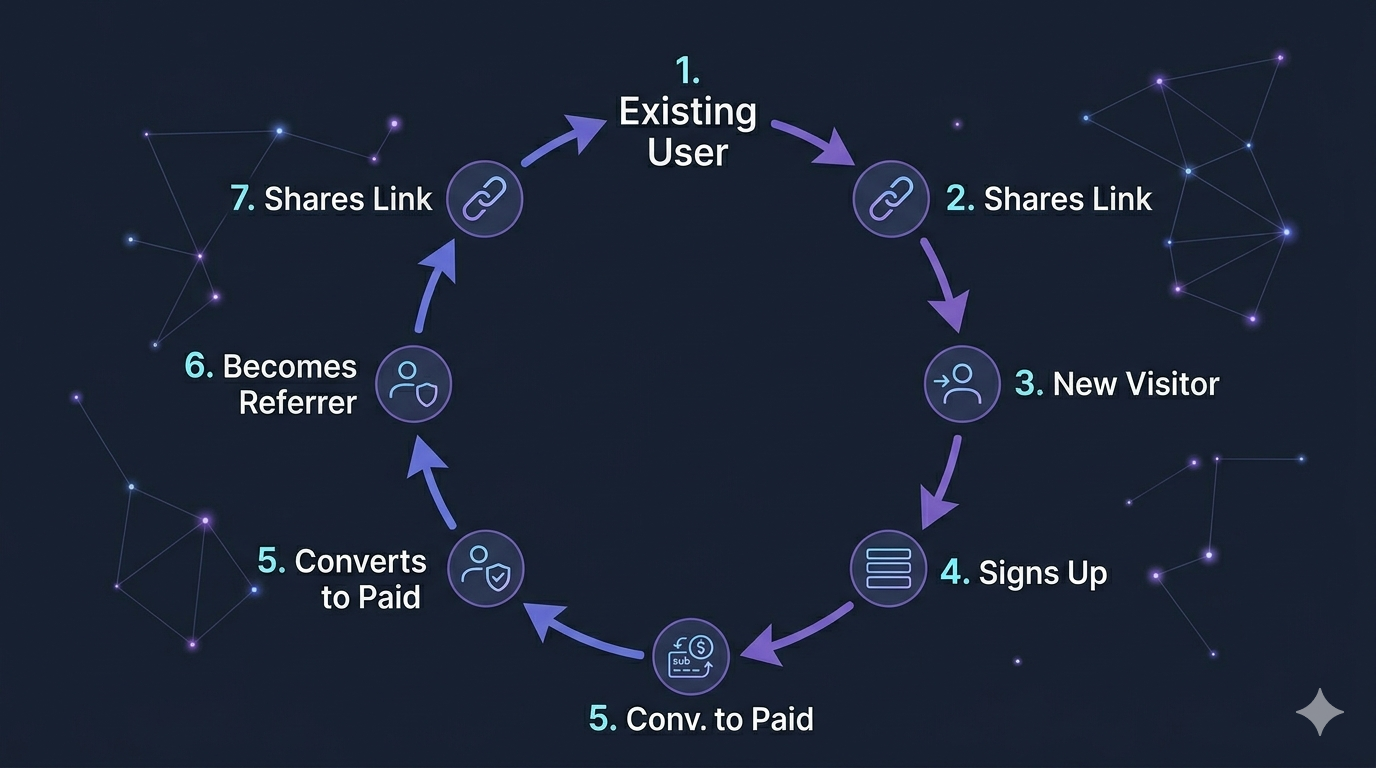
A referral loop is not a discount code. It’s not a “share this link” button on your dashboard. It’s a closed-loop system where:
- An existing user shares a unique referral link
- A new user signs up via that link
- The new user converts to paid
- The referrer gets rewarded automatically
- The new user becomes a referrer themselves — and the loop continues
The “loop” part is critical. A one-time referral promotion is a campaign. A referral loop is infrastructure. The difference is whether new users are automatically enrolled as potential referrers or whether each referral requires manual intervention from you.
If you have to do anything manually between step 3 and step 4, you don’t have a loop yet.
The Strategy Layer: Getting the Incentive Structure Right
Before you write a single line of code, the incentive structure has to be right. Wrong incentives produce one of two failure modes:
Failure mode 1 — Too weak: Users don’t bother sharing because the reward isn’t worth the social capital they spend recommending you. “Earn $5 credit” for a $99/month product is insulting.
Failure mode 2 — Too strong: You attract referral farmers — people gaming the system to collect rewards with no intention of using the product. One-sided rewards (only the referrer benefits) are especially vulnerable to this.
The Three Incentive Models That Work for SaaS
Model 1 — Double-sided cash commission (best for B2B SaaS)
The referrer earns a percentage of every payment the referred customer makes. The referred customer gets a discount on their first invoice.
- Referrer gets: 20–30% recurring commission
- New customer gets: 10–20% off first 3 months
- Works because: both parties have skin in the game, the referrer is motivated to refer qualified users not just anyone
Model 2 — Credit-based rewards (best for usage-based or freemium SaaS)
Both parties earn platform credits when a referral converts. Credits extend free tier, unlock features, or reduce the next invoice.
- Referrer gets: $X in account credits
- New customer gets: $X in account credits
- Works because: credits have perceived high value but low marginal cost to you, and they keep both parties engaged with the product
Model 3 — Revenue share for power users (best for creator/community tools)
Your most engaged users become de facto affiliates — they earn a percentage of every conversion they drive, indefinitely. No discount for the new customer; the referrer’s credibility is the incentive.
- Referrer gets: 25–40% recurring commission
- New customer gets: social proof from a trusted source
- Works because: power users who love the product are already recommending it — you’re just making it worth their while financially
Choosing Your Model
| Your SaaS Type | Recommended Model |
|---|---|
| B2B, fixed monthly pricing | Double-sided cash commission |
| Freemium or usage-based | Credit-based rewards |
| Community-led, creator tools | Revenue share for power users |
| High-ticket, long sales cycle | Double-sided cash commission with higher rates |
The Four Components You Need Before Launch
1. Unique Referral Links Per User
Every user needs a unique, trackable link. The format is simple:
yoursaas.com?ref=username
// or
yoursaas.com?ref=abc123
The slug (username or abc123) is what ties a visit back to the specific referrer. It needs to be unique per user and persistent.
2. Cookie-Based Attribution That Persists to Checkout
When someone clicks a referral link, the ?ref= parameter needs to be captured and stored immediately — before the visitor does anything else.
The standard approach: capture the ref param on landing and write it to a first-party cookie with a 30-day expiration. When the visitor eventually converts, read the cookie and attach the referral slug to the Stripe checkout session as metadata. For a full technical implementation of this with Next.js and Stripe, see our guide on building an affiliate program in Next.js.
3. Webhook-Confirmed Conversion Events
Never attribute a conversion based on the client-side success page. Users close tabs. Payments fail after redirect. The success page fires even when Stripe later marks a payment as failed.
The only reliable conversion signal is the Stripe webhook — specifically checkout.session.completed with payment_status: ‘paid’. Your backend reads the affiliate_ref from the session metadata, looks up the referrer, and records the commission event.
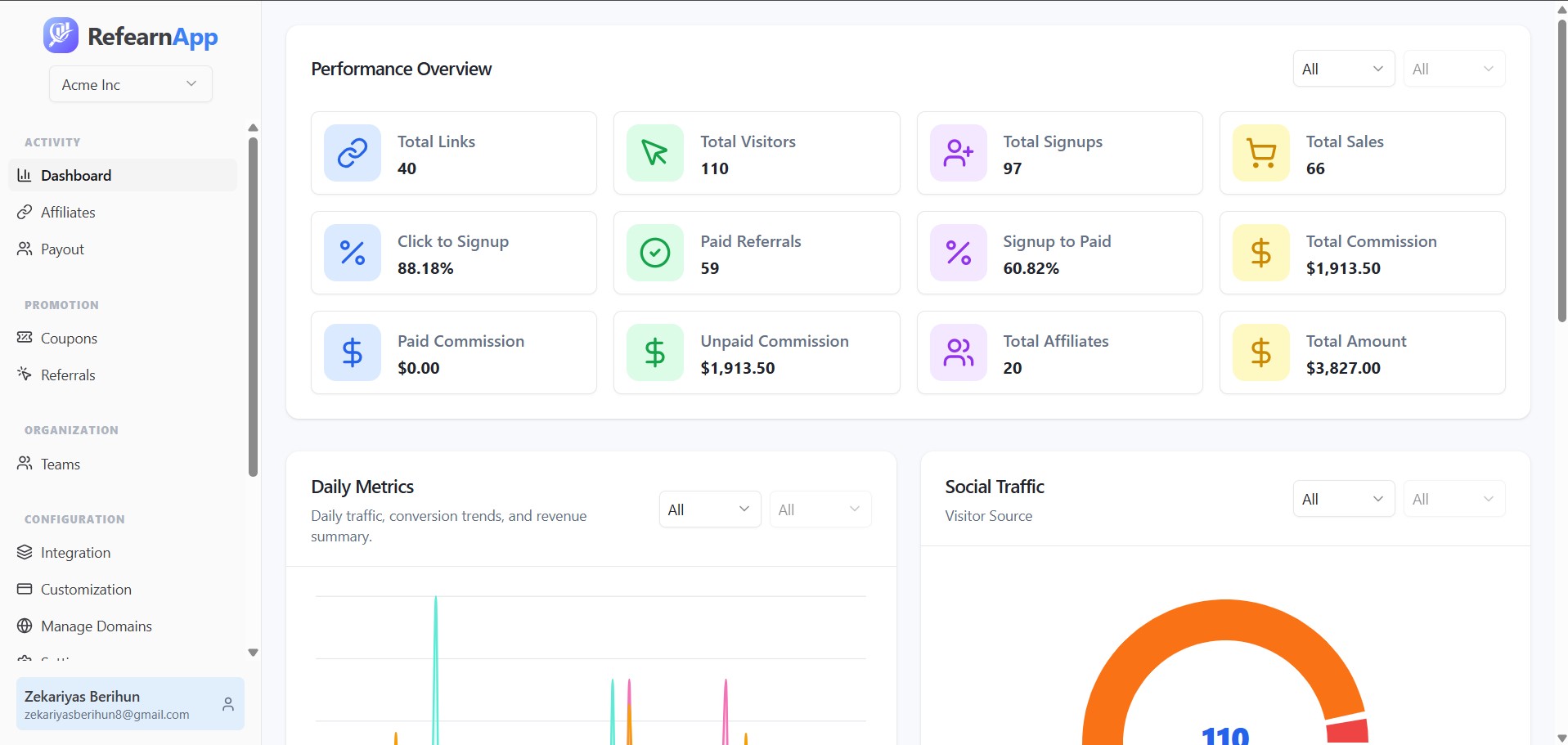
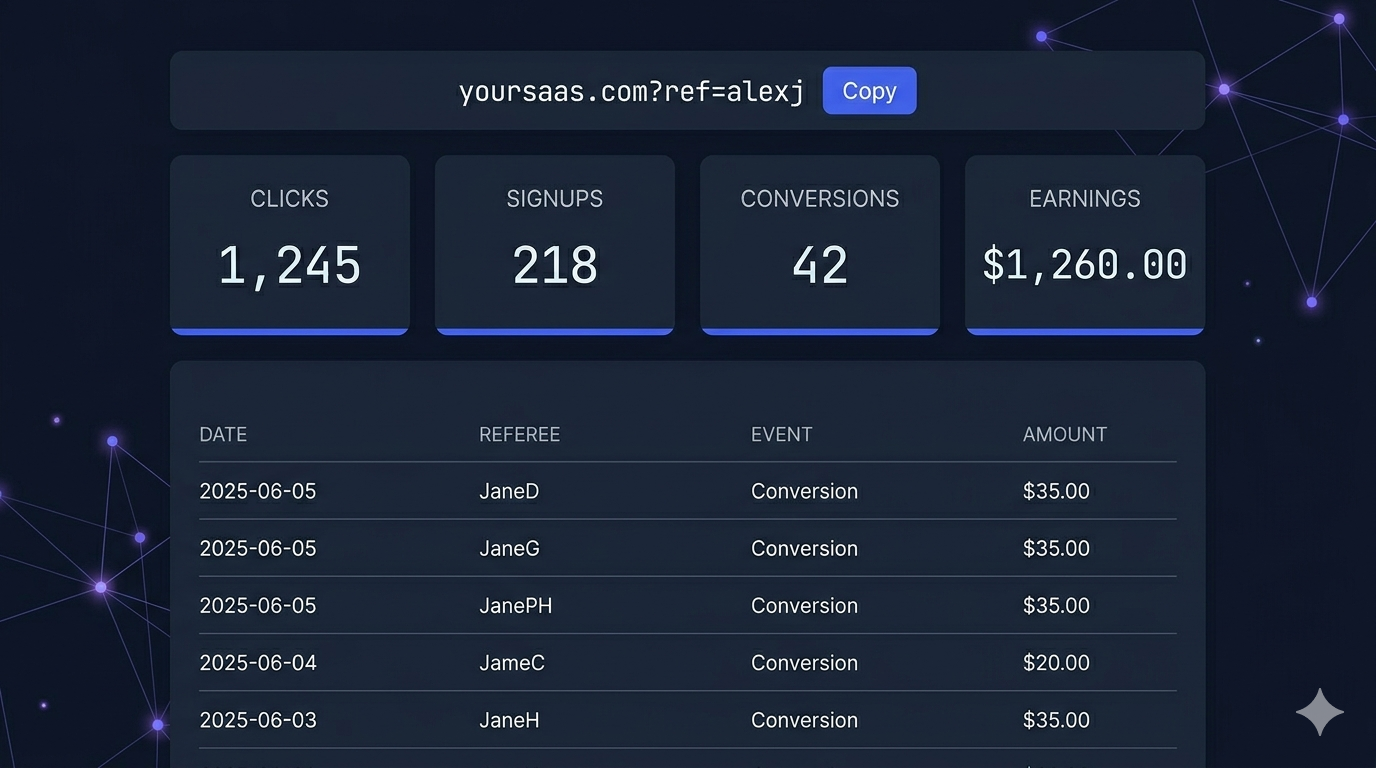
4. A Referrer Dashboard
Your referrers need to see their performance. If they can’t see how many clicks their link got, how many signups converted, and how much commission they’ve earned — they’ll stop sharing.
The Launch Sequence: Week by Week
Week 1 — Soft Launch to Your Best Users
Don’t announce to everyone. Identify your 5–10 most engaged users — the ones who’ve been in the product the longest, who’ve given you feedback, who’ve mentioned you to others already. Email them personally to invite them into the pilot pool.
Week 2 — Fix What Broke
Your first 10 referrers will find every problem in your attribution flow—cookie persistence edge cases, OAuth loop holes, or live webhook delays. Fix all of it before the broad launch.
Week 3 — Broad Launch + In-App Prompt
Add a referral prompt inside the product — not a popup, not a modal. A persistent but non-intrusive banner or sidebar widget that appears after a user has completed a meaningful action. Triggering it when a user experiences real product value yields peak motivation.
Week 4 — Email Campaign to Full User Base
Send a single short email to all active users announcing the referral program. Pre-fill their personal referral link directly inside the message body. Every additional step you eliminate between motivation and sharing increases conversions by ~30%.
The Metrics That Tell You If It’s Working
Referral Rate:
New customers via referral / Total new customers. A healthy referral rate for SaaS is 15–25%. Below 10% means either the incentive is too weak or you’re not promoting the program enough.Referrer Activation Rate:
Users who shared at least once / Total users invited to program. If less than 20% of invited users ever share their link, the incentive or the friction is wrong.Referred User LTV vs. Organic User LTV: Referred users consistently show 10–25% higher LTV than organic users in most SaaS products because they start with established trust.
Viral Coefficient (K-Factor):
K = Referrals sent per user × Conversion rate of those referrals. A K-factor above 1.0 means your user base grows entirely on its own. Most SaaS tools hover around 0.1–0.3.
The Infrastructure Problem Nobody Warns You About
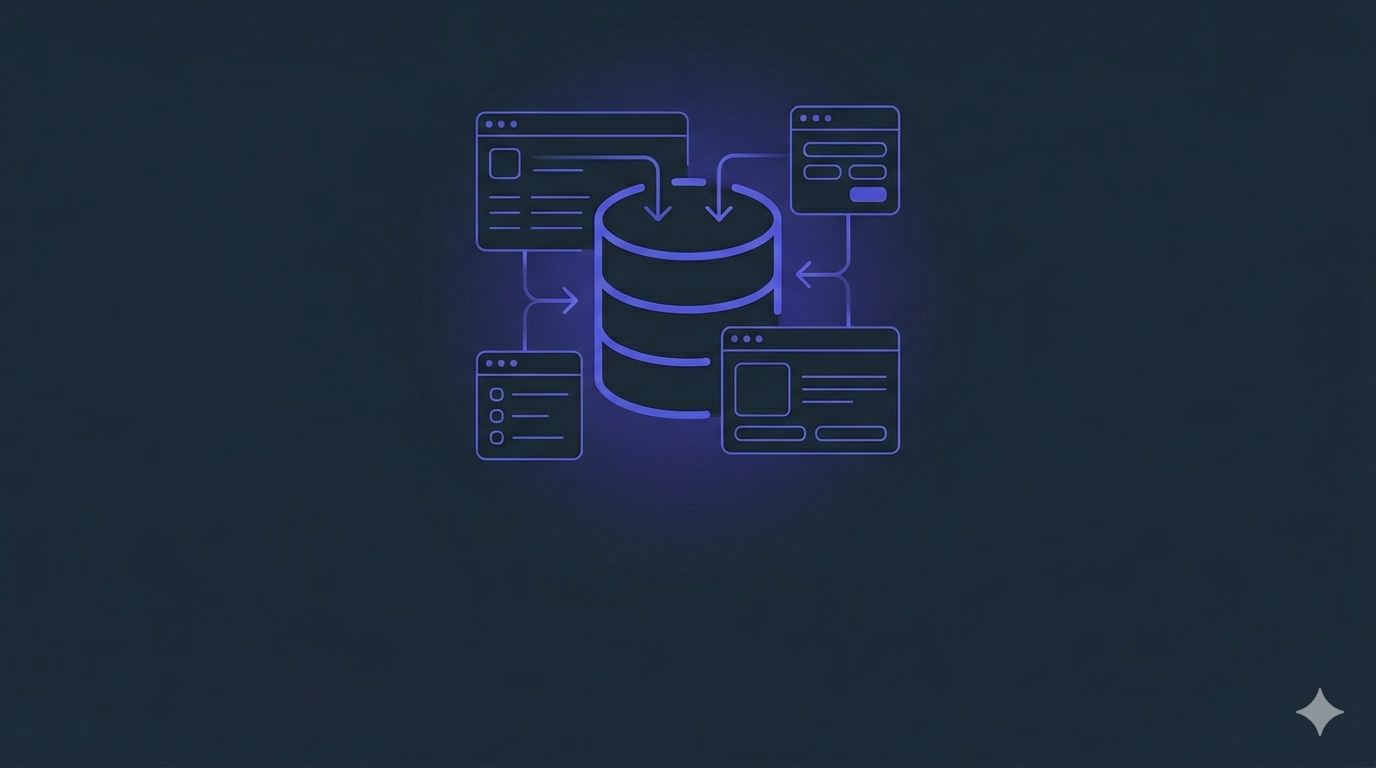
The strategy above is straightforward. The part that kills most referral program launches is the infrastructure gap between “I want to run this” and “this is actually running.”
To run a referral loop properly you need:
- Unique slug generation and management per user
- Cookie capture and attribution logic
- Stripe metadata integration at checkout
- Webhook handler for conversion recording
- Recurring commission tracking on subscription renewals
- A referrer-facing dashboard with real data
- An admin view to approve and manage payouts
Building all of that from scratch is 6–10 weeks of engineering work. That’s 6–10 weeks you’re not spending on your actual product core features.
Conclusion: Take Control of Your Affiliate Data
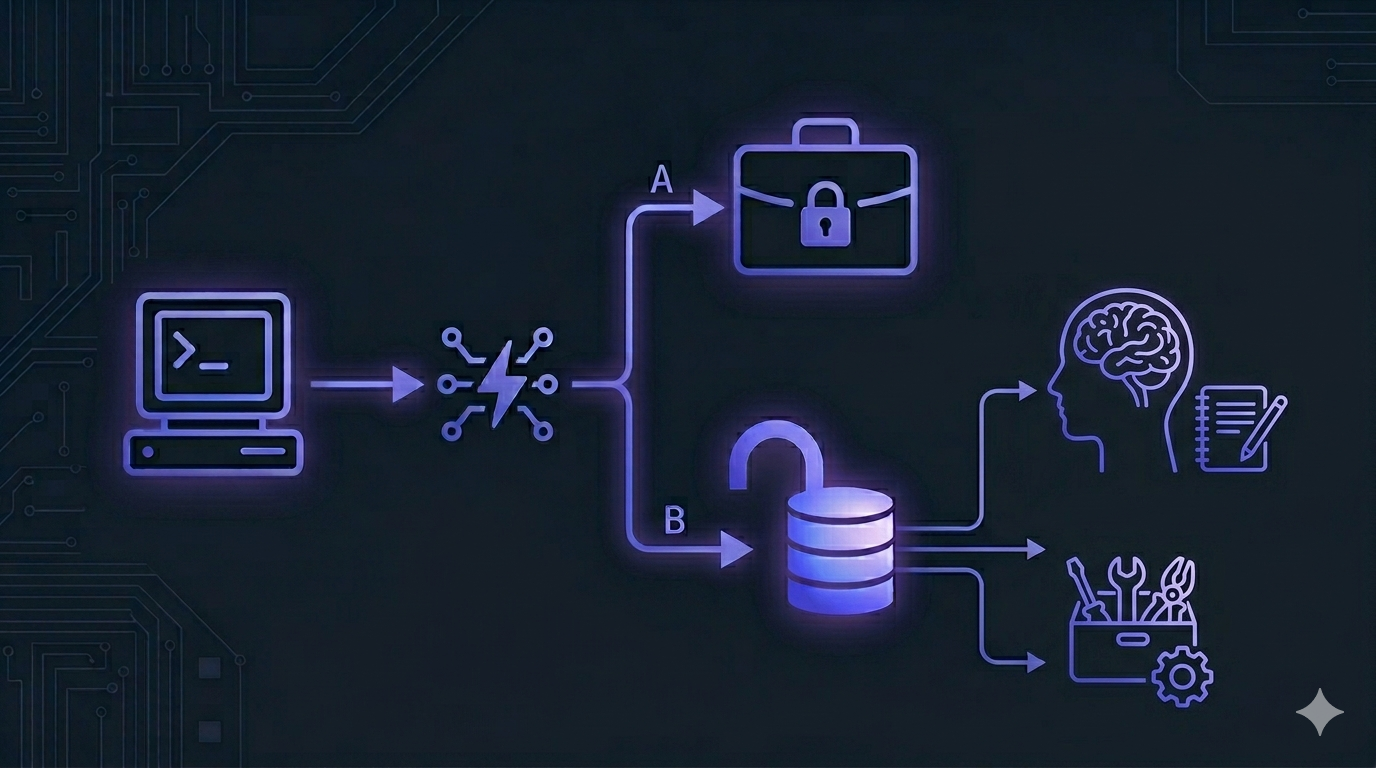
Why pay a closed-source service to hold your conversion metrics hostage when you can manage the entire engine natively on infrastructure you already own? [cite: 247]
RefearnApp is fully open-source, self-hostable, and AGPL-3.0 licensed. You can deploy it completely free on your own infrastructure using Coolify or check out our direct paths:
- Developer Choice: Read Deployment Docs or ⭐ Star the Repo to run it on your own VPS via Coolify with 100% data ownership.
- Production Ready: Try Managed Cloud to get up and running instantly with a fully turnkey, zero-config deployment.
Ready to Build Without Subscription Taxes?
RefearnApp is fully open-source, self-hostable, and AGPL-3.0 licensed. You can deploy it completely free on your own infrastructure using Coolify or follow our step-by-step setup walkthrough.
Self-Hosted Open Source
Deploy directly on your own VPS via Coolify. Enjoy 100% data ownership.
Managed RefearnApp Cloud
Get up and running instantly. Skip the manual environment configuration, provisioning, and setup tasks with a fully turnkey, zero-config deployment.
Try Managed Cloud